What to Pack for a Mount Kilimanjaro Climb
A practical Kilimanjaro packing guide covering clothing, hiking equipment, summit gear, personal items, and useful extras.
Pack for Several Climates
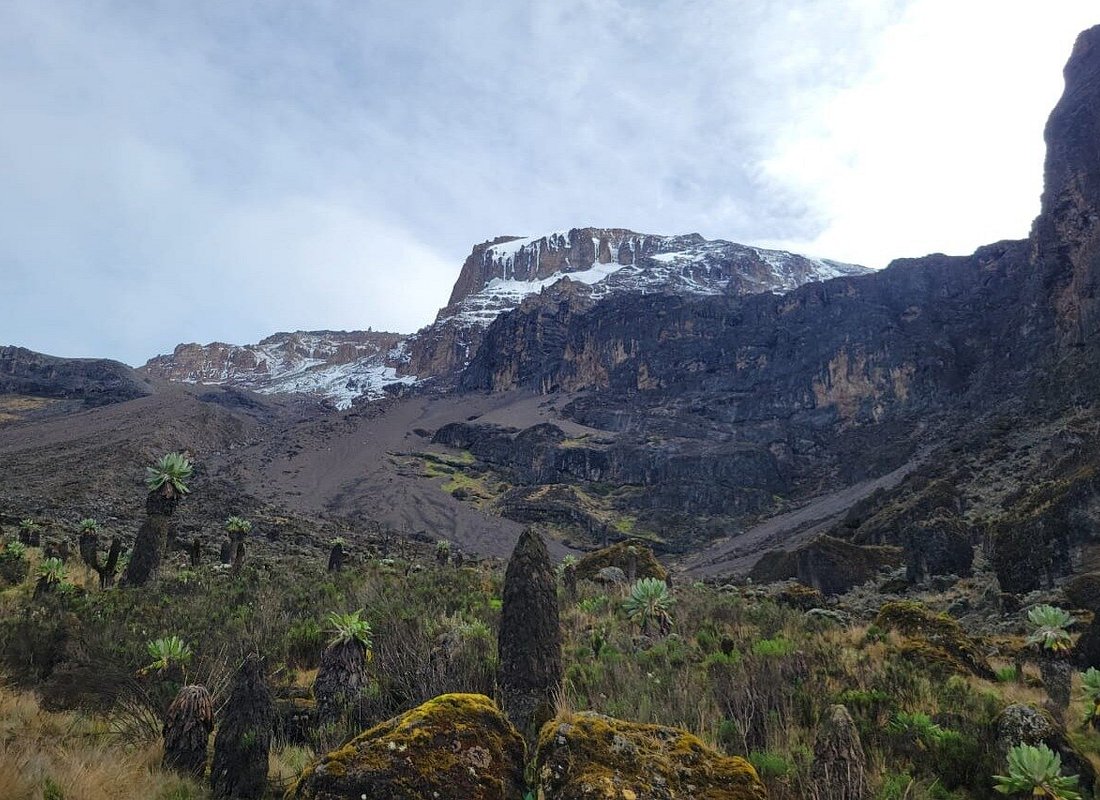
Packing for Kilimanjaro is different from preparing for an ordinary hiking holiday because the mountain passes through several environments. You can begin in warm conditions and finish in freezing temperatures at high elevation.
The best approach is to build a flexible layering system. Rather than carrying one heavy outfit, choose several pieces that can be added or removed as temperatures and activity levels change.
Hiking Clothing
Start with comfortable moisture-managing base layers, trekking trousers, hiking socks, and a durable shirt. Avoid relying on cotton for your primary hiking layers because it can stay wet and become uncomfortable.
Bring mid-layers such as fleece or other insulating pieces. A warm outer jacket is important for colder camps and summit night. Waterproof trousers and a waterproof jacket are valuable because rain can occur even when the forecast looks favorable.
Footwear
Comfortable hiking boots or trail shoes are essential. The best choice depends on your experience and the route, but whatever you wear should be properly broken in before the trip.
Do not bring brand-new boots to the mountain. Even a high-quality pair can cause blisters if your feet have not adapted to them. Carry several pairs of good hiking socks and consider lightweight liner socks if they work well for you.
Summit Night Gear
Summit night is the coldest section for many trekkers, so your gear should be ready before the final evening. Warm gloves or mittens, a thermal layer, a warm hat, a strong insulated jacket, and comfortable warm socks can make a significant difference.
A headlamp with spare batteries is essential because the summit attempt often begins before sunrise. Keep batteries protected from excessive cold where practical.
Backpack and Day Pack
Most organized trips involve a larger bag carried or transported by support staff while trekkers walk with a smaller day pack. Your day pack should hold water, snacks, extra layers, rain protection, sunscreen, personal medication, and other items you may need during the day.
Choose a pack that fits well and does not shift while walking uphill.
Water and Hydration
Hydration is an important part of high-altitude trekking. Carry enough bottles or a hydration system that works for you. Many trekkers prefer a combination of a hydration bladder and bottles because cold temperatures can make some systems less convenient at higher elevations.
Avoid waiting until you feel extremely thirsty. Drink regularly throughout the day and follow your guide's advice.
Sun Protection
At high elevation, sun exposure can be strong even when the air feels cold. Pack sunglasses, sunscreen, lip balm with sun protection, and a hat or cap.
A neck gaiter or buff can also help protect the face from sun, dust, or wind.
Personal and Medical Items
Bring your essential personal medication in your carry-on or day pack. A small personal first-aid kit can be useful for blister care, simple pain relief, and minor issues, although your professional mountain crew should carry a more comprehensive first-aid setup.
Travelers should discuss any medical concerns with an appropriate professional before the trip and should not rely on a packing list as a substitute for medical advice.
Sleeping and Camp Comfort
Camping routes require additional equipment, but reputable operators normally provide tents, sleeping mattresses, and other core camp equipment. Confirm in advance exactly what is included in your package.
Useful personal items can include a sleeping bag appropriate for cold mountain temperatures, a small dry bag for electronics, earplugs, a reusable water bottle, and lightweight toiletries.
Electronics and Documents
Keep your passport, travel documents, insurance information, phone, camera, and other essentials protected from rain and dust. Waterproof pouches or dry bags are useful.
A portable power bank can also be valuable because charging opportunities on the mountain may be limited.
What Not to Overpack
Avoid carrying unnecessary items. A large backpack becomes tiring quickly at altitude. Every extra item adds weight to your trip.
A professional operator can provide a recommended packing list specific to your route and accommodation style. Use that list to decide what you truly need.
Final Packing Check
Before departure, test your boots, pack, headlamp, water system, rain gear, and warm layers. Make sure you know where each important item is stored.
Good packing is not about owning the most expensive equipment. It is about having reliable, comfortable gear that works together and protects you through changing weather.
With thoughtful preparation, your Kilimanjaro packing list can stay practical, manageable, and ready for everything from the warm forest to the cold summit.