
Northern Circuit Kilimanjaro: Why the Long Route Is Worth Considering
Northern Circuit Kilimanjaro: Why the Long Route Is Worth Considering. A practical Tanzania guide with planning advice, useful travel tips and ideas for making the most of your Kilimanjaro experience.
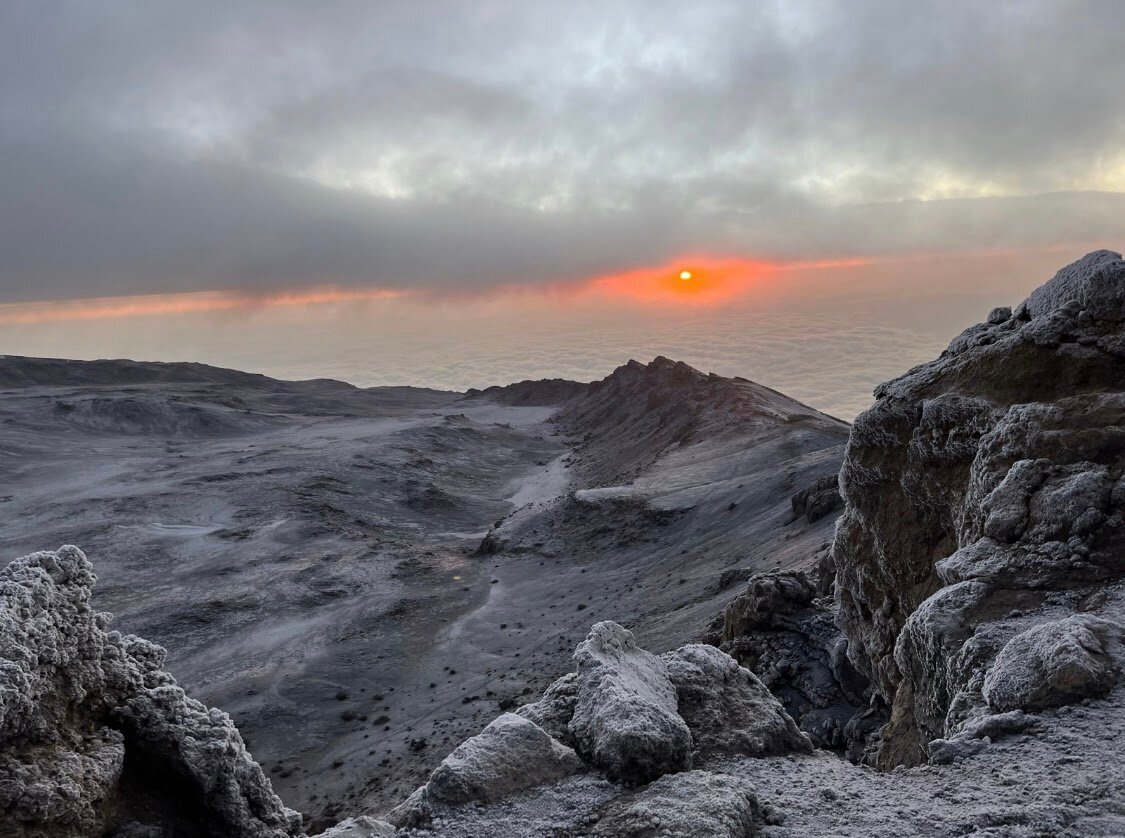
The Northern Circuit is designed for travelers who have enough time to experience Kilimanjaro slowly. Its longer shape can take trekkers through western and northern sections of the mountain before joining the summit area. More days mean more time for gradual progression and for enjoying the changing volcanic landscape. The route is particularly appealing to people who dislike rushing and want a broad sense of the mountain rather than the shortest possible journey. Camping, quiet trail sections, long views and a measured pace are central to its character.
Why This Topic Matters
The Northern Circuit is designed for travelers who have enough time to experience Kilimanjaro slowly. Its longer shape can take trekkers through western and northern sections of the mountain before joining the summit area. More days mean more time for gradual progression and for enjoying the changing volcanic landscape. The route is particularly appealing to people who dislike rushing and want a broad sense of the mountain rather than the shortest possible journey. Camping, quiet trail sections, long views and a measured pace are central to its character.
Planning Your Itinerary
Plan the trip around the number of days you realistically have. A mountain journey should include enough time for walking, rest and altitude adaptation. Look beyond the headline duration and review the daily elevation profile, overnight camps, transport and what happens after the summit attempt. Longer programs can feel less rushed and give you more time to settle into the mountain rhythm. It is also useful to plan a recovery night before a long flight or safari transfer, especially after a demanding summit day.
Choosing the Right Route
Think about accommodation style, scenery, trail atmosphere and the number of days available. Marangu is known for huts, Machame for camping and dramatic southern scenery, Lemosho for a longer western approach, Rongai for the northern side and the Northern Circuit for a broad multi-day journey. No route automatically guarantees a summit. Your decision should match your comfort, schedule and willingness to spend more days on the mountain.
Training Before Travel
Build endurance through regular walking, hills, stairs and longer weekend hikes. Strength work for legs and core can improve confidence on uneven terrain. Training should be gradual, consistent and practical. Use your training days to test the footwear, socks, backpack and clothing you expect to use. The goal is not to become an elite athlete but to arrive able to walk for several hours on consecutive days without being overwhelmed by fatigue.
Daily Mountain Routine
A typical day is built around breakfast, walking, breaks, lunch, arrival at camp, dinner and rest. Keeping the routine simple helps conserve energy. Learn to organize your bag so that rainwear, water, snacks and extra layers are easy to reach. Small habits matter on a multi-day trek because there are many hours when being comfortable can make a noticeable difference.
Altitude Awareness
Altitude changes the experience of effort. A pace that feels easy at sea level may feel much harder higher on the mountain. Walk slowly, hydrate regularly and communicate with your guide. Symptoms such as headache, nausea, dizziness or unusual fatigue should be discussed rather than hidden. A responsible guide can monitor the group and make decisions about rest, continued ascent or descent when necessary.
Weather and Clothing
Prepare for rain in the forest, cool temperatures in higher zones and very cold conditions near the summit. Layering allows you to adjust without carrying one enormous garment. Keep rain protection accessible and protect your head, hands and feet when the temperature drops. Good clothing is not about fashion; it is about staying dry, warm and comfortable enough to keep moving safely.
The Human Side of the Climb
A Kilimanjaro expedition is a shared experience with guides, porters, cooks and fellow trekkers. Treat the crew with respect, learn about responsible tourism practices and understand how tipping works before departure. The encouragement you receive from mountain staff can become one of the strongest memories of the trip. Supporting fair tourism helps protect the people and communities connected to the destination.
After the Mountain
Give yourself time to recover after the climb. A hotel night, gentle meal and quiet morning can make the transition easier before a safari, airport transfer or Zanzibar extension. The end of the expedition is also a good time to reflect on the journey, organize photographs and thank the people who helped you reach the mountain.
Practical Travel Tips
Before starting the trip, confirm the daily schedule, meeting arrangements, transfers and accommodation details with your tour operator. Keep important documents, emergency contacts and insurance information accessible. For mountain travel, make sure footwear and clothing have been tested before departure, and keep rain protection and warm layers easy to reach. For island travel, carry sun protection, a reusable water bottle, comfortable walking shoes and a light bag for day excursions.
It is also useful to keep expectations flexible. Weather, traffic, tides, trail conditions and activity schedules can sometimes change. A flexible traveler usually enjoys Tanzania more than someone trying to control every minute. Listen to local guides and drivers, ask questions and allow time for unexpected discoveries. Small practical choices such as starting early, eating regular meals and protecting electronics from water or dust can make a noticeable difference to comfort.
Travelers can also improve the quality of their experience by spending money thoughtfully. Choose professional local guides, responsible activity providers and businesses that treat staff fairly. Try local food, learn a few Swahili greetings and respect community customs. These actions create a stronger connection with the destination and help tourism contribute to local livelihoods. Whether the trip is about a mountain, a wildlife destination or an island beach, the best memories often come from slowing down enough to notice the people, landscapes and details around you.