
Northern Circuit Kilimanjaro: Why Choose the Longest Route?
Explore the Northern Circuit, a longer Kilimanjaro itinerary designed around broad mountain scenery, gradual progression, and extra time on the trail.
What Is the Northern Circuit?
The Northern Circuit is the longest common route on Mount Kilimanjaro. Instead of taking a short approach directly toward the summit, it follows a broader path around the mountain before joining the upper summit area.
The longer itinerary appeals to trekkers who have enough time and want to experience more of Kilimanjaro rather than completing the mountain as quickly as possible.
Why More Days Can Matter
One of the strongest reasons to consider a longer route is the opportunity to spend more time at gradually increasing elevations.
Extra days do not guarantee a summit, but they can create a more progressive rhythm. The body has additional opportunities to adapt while trekkers become familiar with high-altitude routines.
Scenic Variety
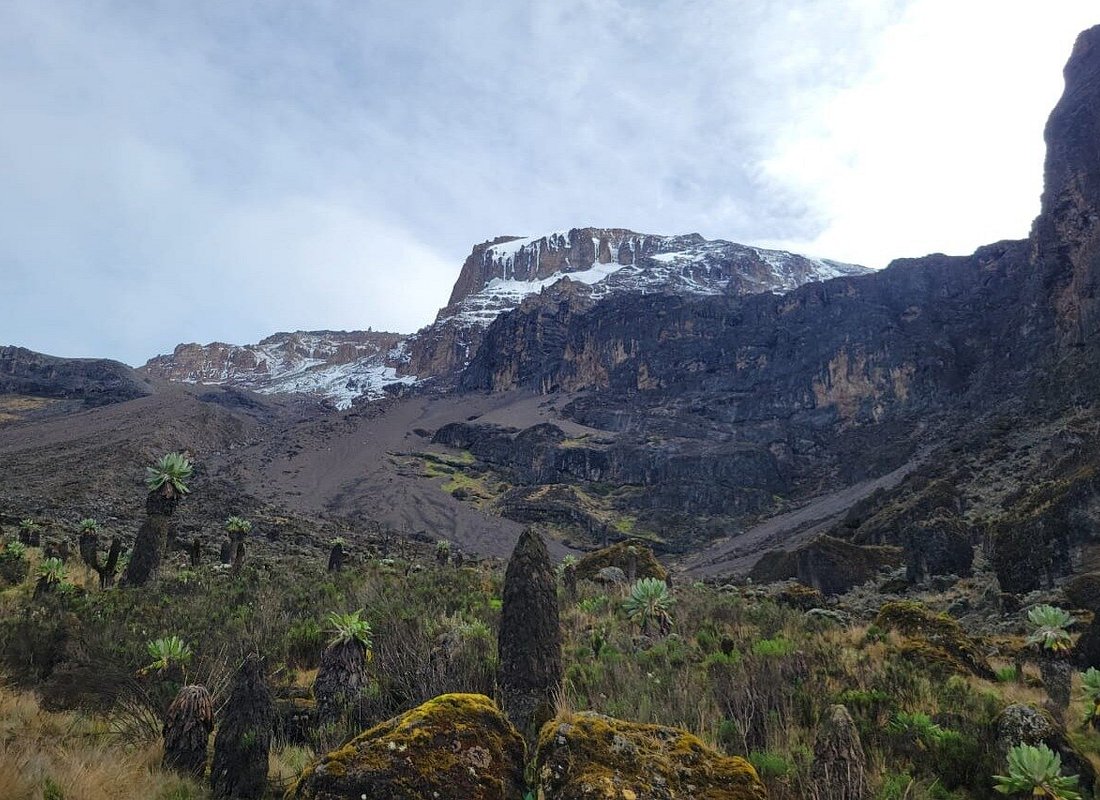
The Northern Circuit provides an opportunity to experience different sides of the mountain. Depending on the exact itinerary, trekkers can move through forest, open highland areas, volcanic landscapes, and broad views across the northern slopes.
The sense of distance is part of the experience. The mountain feels larger when you spend more days exploring its different environments.
The Daily Rhythm
A long Kilimanjaro route is not about rushing. Each day has a rhythm of walking, meals, rest, camp arrival, and preparation for the next stage.
Because the trip lasts longer, personal routines become important. Keep your gear organized, manage wet clothing, protect your feet, stay hydrated, and rest whenever practical.
Camping on the Mountain
The Northern Circuit is a camping route. The mountain crew manages tents and camp organization while trekkers focus on walking.
For some travelers, camping is part of the appeal because it creates an expedition atmosphere. Even travelers who are new to camping can enjoy the experience when the operator provides reliable equipment and good support.
Acclimatization Strategy
Route planning is an important part of high-altitude trekking. Longer Northern Circuit itineraries can include careful progression and sleeping elevations that help support acclimatization.
Guides monitor pace, weather, hydration, and the condition of the group throughout the trek.
Approaching the Summit
As the route progresses, trekkers eventually join the higher mountain sections used for the summit attempt.
The final stages become colder and more exposed. At this point, previous days of gradual progression can be valuable because trekkers have had more time to become comfortable with the demands of altitude.
Summit Night
The summit attempt still requires a night or early-morning start from a high camp. No route removes the challenge of the final climb to Uhuru Peak.
The cold, darkness, steep terrain, and accumulated fatigue remain significant. Trekkers should follow the guide's pace and communicate openly about how they feel.
Who Is the Northern Circuit For?
The route is particularly attractive to travelers with sufficient time, strong interest in mountain scenery, and a preference for a more gradual itinerary.
It may suit trekkers who are less concerned about completing the climb in the shortest number of days and more interested in the overall mountain experience.
Eight- and Nine-Day Options
Eight- and nine-day Northern Circuit itineraries are often considered by travelers looking for a long, progressive climb. The additional day can provide more time for rest and acclimatization depending on how the itinerary is designed.
When comparing package durations, look at where the extra days are placed. A longer trip is most useful when the additional time contributes meaningfully to the route profile.
Final Thoughts
The Northern Circuit offers a broad interpretation of the Kilimanjaro experience. It combines long-distance trekking, varied landscapes, camping, and a gradual journey toward the summit.
For travelers who can dedicate the time, it can be an excellent way to explore more of the mountain and reduce the pressure associated with rushing through a short itinerary.
The goal should always be the same: a well-prepared, responsibly guided, enjoyable journey toward Uhuru Peak and back down again.