
Kilimanjaro Routes Compared: Which Route Is Right for You?
Compare Marangu, Machame, Lemosho, Rongai, Umbwe, Shira, and the Northern Circuit to find the route that fits your travel style.
Why Route Choice Matters
Mount Kilimanjaro has several established trekking routes, and the route you choose shapes the character of your entire adventure. Two trips may both finish at Uhuru Peak, yet feel completely different because of the landscapes, camping style, approach direction, trail traffic, and number of days used for acclimatization.
The right route depends on your priorities. Some travelers want the shortest classic itinerary. Others want scenery, quieter trails, more time at altitude, or a stronger sense of wilderness. Understanding the differences makes it easier to choose confidently.
Marangu Route
Marangu is one of the best-known Kilimanjaro routes and is often associated with permanent mountain huts. This makes it appealing to trekkers who prefer sleeping indoors rather than in tents.
The trail has a straightforward style and is often selected by people looking for a classic Kilimanjaro experience. Because some itineraries are shorter, careful attention to acclimatization is important. Marangu also uses the same general route for ascent and descent, which can mean more traffic during busy periods.
Machame Route
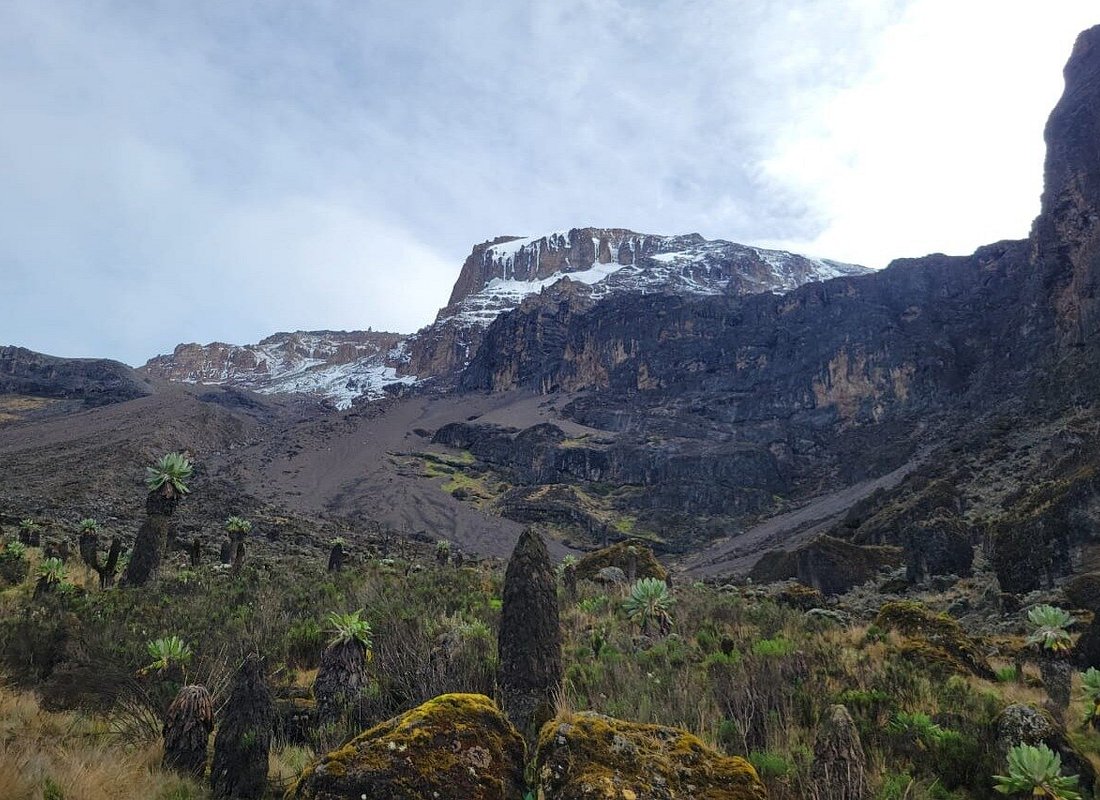
Machame is famous for scenery, camping, and its more adventurous feel. Trekkers move through forest, heath and moorland, alpine desert, and the upper mountain while using established campsites.
Many travelers choose Machame because the trail feels varied and visually rewarding. It is often described as a more challenging option than Marangu, but the day-by-day experience can be very satisfying for trekkers who enjoy camping and changing landscapes.
Lemosho Route
Lemosho provides a longer western approach and is known for scenic variety. The longer access can create a more gradual rhythm, which is attractive to trekkers who want additional time to acclimatize.
The route can be combined with a longer itinerary and is particularly appealing to travelers who value scenery, lower trail pressure during some sections, and a more gradual progression toward the upper mountain.
Rongai Route
Rongai approaches Kilimanjaro from the northern side near the Kenya border. The northern environment can feel distinct from the southern approach routes, and trekkers may appreciate the quieter atmosphere in some sections.
Rongai is a good choice for travelers who want a different perspective of the mountain. Its landscapes also create a different visual rhythm as the route crosses the upper slopes.
Umbwe Route
Umbwe is known for being steep and demanding, especially early in the trek. It is more appropriate for experienced hikers who are comfortable with sustained uphill terrain and understand the importance of altitude management.
The route rewards trekkers with a strong sense of adventure, but it should not be selected simply because it sounds difficult. Route suitability matters more than prestige.
Shira Route
The Shira approach reaches higher terrain relatively early. That makes the scenery impressive, but it also means trekkers should consider how their bodies will respond to starting at greater elevation.
Travelers who are already comfortable at altitude may appreciate the open landscapes and western approach. Good acclimatization planning remains essential.
Northern Circuit
The Northern Circuit is the longest of the established routes and is designed to provide a broad journey around the mountain. More days allow a gradual rhythm and additional time for the body to adapt.
This is a strong option for travelers who have the time and want a comprehensive Kilimanjaro experience. The longer itinerary can also provide more opportunities to enjoy different sides of the mountain rather than focusing only on the summit push.
Camping Versus Huts
Accommodation style is another important difference. Marangu uses permanent huts, while routes such as Machame and Lemosho generally rely on mountain camping.
Camping creates a deeper expedition feeling and allows trekkers to sleep directly in the mountain environment. Huts can feel more familiar for travelers who prefer a fixed indoor sleeping structure.
How Many Days Should You Choose?
A key principle is that additional days can give you more time to acclimatize. A short itinerary may appeal because it reduces the number of days away from home, but the fastest option is not automatically the best option.
When comparing routes, look beyond the headline number of days. Examine the altitude profile, where you sleep, the distance covered each day, and how the summit attempt is scheduled.
Our Recommendation
For first-time trekkers who want scenery and camping, Machame or Lemosho can be attractive. For those who prefer huts, Marangu is the obvious classic choice. Rongai suits travelers looking for a northern approach, while experienced trekkers seeking a steeper challenge may consider Umbwe. The Northern Circuit is ideal when time allows a longer and more gradual adventure.
The best route is the one that matches your body, schedule, and travel style—not simply the route with the strongest reputation.