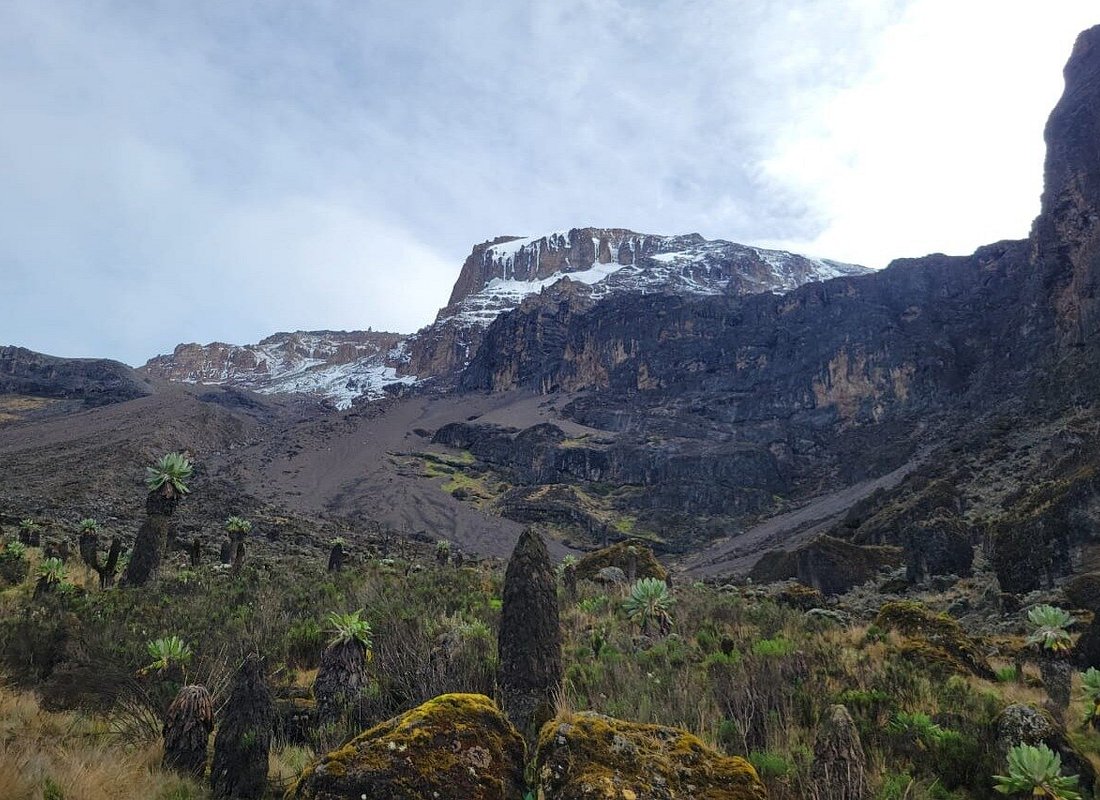
Best Time to Climb Mount Kilimanjaro
Learn how weather seasons, trail conditions, temperatures, and crowds can influence the best time for your Kilimanjaro climb.
Understanding Kilimanjaro Seasons
Choosing when to climb Mount Kilimanjaro is one of the most important decisions in your trip planning. Kilimanjaro can be climbed throughout the year, but weather patterns influence trail conditions, cloud cover, temperatures, and how comfortable the overall experience feels.
The most popular climbing periods are usually the relatively dry seasons, when trekkers often prefer better trail conditions and clearer views. The calendar is not a guarantee of perfect weather, however. Conditions can change quickly on a high mountain, and even during a generally favorable season you should be prepared for rain, cold, wind, and cloud.
January to March
The first part of the year can provide a good balance between pleasant lower-elevation conditions and manageable trekking weather. The mountain can be quieter than during the busiest summer months, depending on the specific dates.
This period is attractive to travelers who want a more relaxed experience while still hoping for reasonable visibility. At higher elevations, temperatures remain cold, especially before sunrise. Trekkers should bring proper layers rather than relying on warm conditions at the base.
June to October
The middle and later part of the year is one of the most popular windows for climbing. Many travelers choose these months because of generally favorable trekking conditions, longer periods of clear weather, and the opportunity to combine a Kilimanjaro climb with a safari.
Because demand is higher, popular routes and camps can be busier. Advance planning can therefore be important for travelers with fixed dates. Machame, Marangu, and other established routes can become lively during peak periods.
November and the Short Rains
November can bring a shift toward wetter conditions. Short rain periods can affect some lower sections of the mountain, although the exact timing and intensity vary from year to year.
For adventurous travelers who are comfortable with changing weather, this period can still be possible. The advantage may be fewer trekkers on the trail, but the trade-off is that the experience can become wetter and cloudier.
April and May
The long-rain period is generally one of the wettest times on Kilimanjaro. Mud, slippery trails, cloud, and rain can make trekking less comfortable, particularly on lower forest sections.
Some experienced trekkers still choose these months because they prefer quieter trails or have limited travel dates. Anyone considering a climb during a wetter period should use good waterproof gear and a route plan that takes trail conditions into account.
Does the Full Moon Matter?
Some climbers intentionally schedule their summit attempt around a full moon because it can create beautiful nighttime light and reduce the need for artificial lighting on clear nights.
A full moon is not a guarantee of clear weather, and it should not be treated as the main factor when selecting dates. Route quality, acclimatization time, guide support, and overall weather patterns are more important for most trekkers.
What Is the Coldest Part of the Climb?
Temperature depends strongly on elevation. Lower slopes can feel warm during the day, while higher camps are much colder. Summit night is typically the coldest and most physically demanding section.
Trekkers should carry warm layers, gloves, a hat, a reliable jacket, and good socks. The right layering system allows you to adjust as conditions change rather than carrying one extremely heavy garment.
Best Time for Photographs
Clearer periods often provide stronger visibility of Kilimanjaro's summit and surrounding landscapes, but mountain photography still depends on clouds and daily conditions.
Early mornings can be particularly rewarding. Sunrise near the higher sections creates dramatic light across the mountain, while lower forest areas offer a completely different photographic environment.
Combining Kilimanjaro With a Safari
One of the advantages of climbing Kilimanjaro in Tanzania is that the adventure can be combined with a northern circuit safari. Travelers can climb first and then continue to places such as Tarangire, Serengeti, and Ngorongoro, depending on their schedule.
The best travel month for a combination trip should consider both mountain and safari conditions. A local operator can help coordinate transfers, rest days, accommodations, and park schedules.
How to Choose Your Dates
Instead of asking only, "Which month is best?", consider your priorities. If you want generally drier conditions and do not mind more trekkers, a popular dry-season window may work well. If you value quieter trails and are willing to accept more unpredictable weather, less busy periods can be considered.
Always leave some flexibility where possible. Weather on a mountain is naturally variable, and good preparation matters more than trying to predict a single perfect day.
Final Advice
The best time to climb Kilimanjaro is the period that balances your personal schedule, preferred trail conditions, budget, and comfort with crowds and changing weather. There is no single date that guarantees a successful summit.
Choose an appropriate route, build in sufficient acclimatization, use quality equipment, and travel with an experienced mountain team. With the right planning, every climbing season can offer a memorable journey toward Uhuru Peak.